
10 Best Ayurvedic Hair Growth Tips That Actually Work in 2026

Hair loss affects millions of people. You wake up, see more strands on your pillow, and notice your hairline changing. It’s stressful. But before you spend hundreds on chemical treatments, there’s a 5,000-year-old Ayurvedic hair growth tips that might help.
🌿 Quick Ayurvedic Hair Care Routine
• Oil: Use Bhringraj or Coconut oil 2-3 times a week.
• Massage: 15 minutes of scalp massage (Abhyanga) to boost circulation.
• Wash: Use natural cleansers like Shikakai or Reetha.
• Diet: Eat Amla and nuts daily for internal hair nutrition.
Understanding Why Your Hair Falls Out
Ayurveda looks at hair health differently than modern medicine. Your hair reflects what’s happening inside your body. Poor digestion, stress, hormonal changes, and nutritional gaps all show up in your hair quality.
According to Ayurveda, we all have three doshas: Vata, Pitta, and Kapha. These are energy types that control different body functions. Your dominant dosha affects your hair type and the problems you face.
Vata hair is typically dry, thin, and breaks easily. People with Vata imbalance often have frizzy hair that tangles quickly.
Pitta hair is fine and straight. Pitta types lose hair early and get premature graying. They also deal with scalp inflammation and dandruff.
Kapha hair is thick, oily, and strong. But too much Kapha leads to oily scalp, clogged follicles, and slow growth.
Top Ayurvedic Herbs for Hair Growth

Bhringraj: The King of Hair
Bhringraj is called “Kesharaj” in Sanskrit, meaning ruler of hair. This herb strengthens hair roots, reduces hair fall, and helps new hair grow. It also prevents early graying.
You can use bhringraj oil for scalp massage or make a hair mask with bhringraj powder mixed with yogurt.
Amla: Indian Gooseberry
Amla has more vitamin C than oranges. It strengthens hair follicles, adds shine, and prevents premature graying. Amla also balances scalp pH and reduces dandruff.
Eat fresh amla, drink amla juice, or apply amla oil to your scalp. Many people mix amla powder with henna for natural hair coloring.
Brahmi and Gotu Kola
Brahmi calms your mind while feeding your hair. It increases blood flow to the scalp, which brings more nutrients to hair roots. This herb works great for people who lose hair due to stress.
Apply brahmi oil before bed and wash it out in the morning.
Fenugreek Seeds
Fenugreek has proteins and nicotinic acid that strengthen hair and help it grow. Soak fenugreek seeds overnight, grind them into paste, and apply to your scalp. Leave it for 30 minutes before washing.
This treatment reduces hair fall within weeks.
Neem
Neem fights bacteria and fungus that cause scalp problems. If you have dandruff, itching, or scalp acne, neem helps clean your scalp and create a healthy environment for hair growth.
Boil neem leaves in water, let it cool, and use it as a final hair rinse after shampooing.
Ayurvedic Hair Oils and How to Use Them
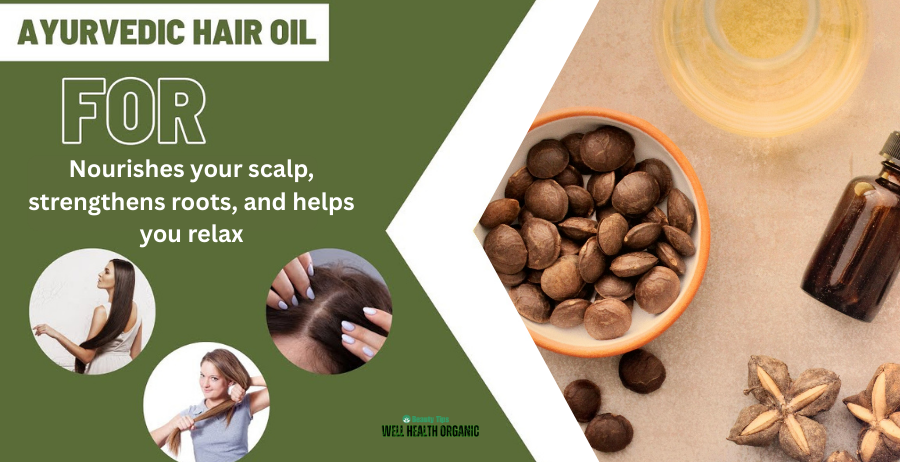
Oil massage (called Abhyanga) is central to Ayurvedic hair care. The right oil nourishes your scalp, strengthens roots, and helps you relax.
For Vata types: Use sesame oil or almond oil. These warm oils add moisture to dry, brittle hair.
For Pitta types: Coconut oil and brahmi oil work best. They cool the scalp and reduce inflammation.
For Kapha types: Mustard oil or neem oil help. These lighter oils don’t clog pores.
How to Do Scalp Massage
Warm your oil slightly. Apply it to your scalp with your fingertips. Scalp massage in circular motions for 10-15 minutes. This increases blood flow and helps oil penetrate deeper.
Leave the oil on for at least one hour, or overnight if possible. Wash with a mild, natural shampoo.
Do this 2-3 times per week for best results.
Diet Changes for Better Hair
Your digestive fire (agni) determines how well you absorb nutrients. Weak digestion means less nutrition reaches your hair.
Foods to include:
- Leafy greens like spinach and fenugreek leaves
- Nuts and seeds, especially almonds and walnuts
- Whole grains like brown rice and quinoa
- Healthy fats from ghee, coconut oil, and sesame oil
- Fresh fruits, particularly berries and citrus
- Protein from lentils, beans, eggs, and fish
Foods to avoid:
- Processed foods with artificial ingredients
- Too much sugar and refined carbs
- Fried and oily foods that weaken digestion
- Cold drinks during meals
- Stale or leftover food
Drink warm water throughout the day. This supports digestion and helps remove toxins.
Hair Masks You Can Make at Home
Egg and Yogurt Mask
Mix one egg with two tablespoons of yogurt. Apply to damp hair, focusing on roots. Leave for 20 minutes, then wash with cool water and mild shampoo.
Eggs provide protein while yogurt adds moisture and reduces dandruff.
Onion Juice Treatment
Extract juice from one onion. Apply directly to scalp and massage gently. Leave for 30-45 minutes before washing.
Onion juice has sulfur, which helps produce collagen needed for hair growth. Yes, it smells bad, but it works. Many people see results in 4-6 weeks.
Hibiscus and Coconut Oil
Grind 5-6 hibiscus flowers with leaves into paste. Mix with coconut oil. Apply to hair and scalp. Leave for one hour before washing.
This mask conditions hair, prevents split ends, and adds natural shine.
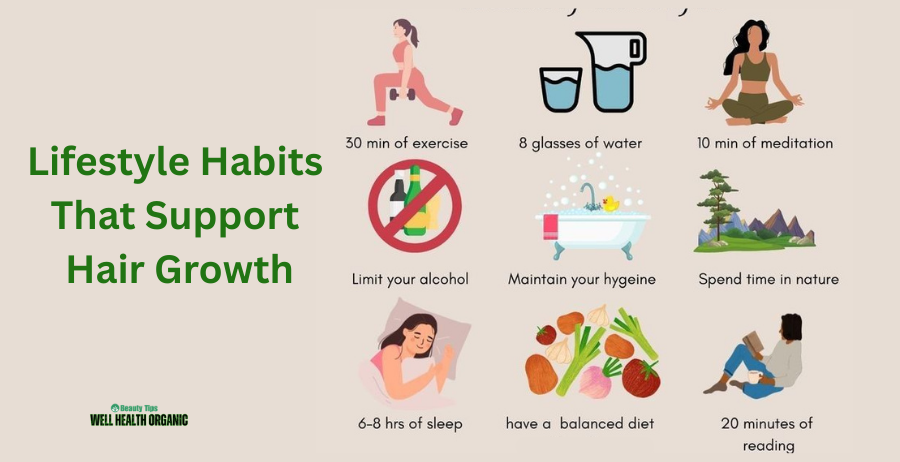
Lifestyle Habits That Support Hair Growth
Manage Stress
Stress is a major cause of hair loss. Ayurveda recommends meditation, yoga, and breathing exercises to calm your mind.
Try this simple breathing technique: Sit comfortably. Breathe in for 4 counts, hold for 4 counts, breathe out for 4 counts. Repeat for 5 minutes daily.
Get Good Sleep
Your body repairs itself during sleep. Poor sleep disrupts hormones and increases hair fall. Go to bed before 10 PM and wake up early. Keep your bedroom cool and dark.
Exercise Regularly
Physical activity improves blood circulation, including to your scalp. Walk, swim, or do yoga for 30 minutes daily.
Specific yoga poses help hair growth: headstand, shoulder stand, and downward dog increase blood flow to the scalp.
Avoid Harsh Chemicals
Commercial shampoos, conditioners, and styling products contain sulfates, parabens, and silicones. These strip natural oils and damage hair over time.
Switch to natural, Ayurvedic hair care products. Or make your own cleanser with shikakai powder, reetha (soapnut), and amla.
Common Mistakes to Avoid
- Washing hair too often: This removes natural oils. Wash 2-3 times per week unless your hair is very oily.
- Using hot water: Hot water dries out scalp and hair. Use lukewarm or cool water instead.
- Combing wet hair: Hair is weakest when wet. Let it dry partially, then use a wide-tooth comb.
- Tight hairstyles: Pulling hair into tight buns or ponytails causes traction alopecia. Keep hairstyles loose.
- Skipping regular trims: Split ends travel up the hair shaft. Trim every 6-8 weeks to maintain healthy hair.
How Long Before You See Results?
Be patient. Hair grows slowly, about half an inch per month. Most people notice less hair fall within 4-6 weeks of starting Ayurvedic practices. Visible new growth takes 2-3 months.
Consistency matters more than intensity. A simple routine followed regularly beats complex treatments done occasionally.
When to See a Doctor
Sometimes hair loss signals health problems like thyroid issues, anemia, or hormonal imbalance. See a doctor if:
- You lose hair suddenly or in patches
- Your scalp becomes red, scaly, or painful
- Hair falls out in large amounts when you shower
- You have other symptoms like fatigue or weight changes
Ayurvedic treatments work well for general hair health and mild hair loss. Severe cases need professional medical evaluation.
Getting Started with Ayurvedic Hair Care
Start simple. Pick one or two practices and do them regularly for a month. Here’s a basic routine:
Week 1-2: Oil massage twice weekly with coconut or sesame oil.
Week 3-4: Add one hair mask weekly (egg and yogurt or fenugreek paste).
Ongoing: Include more hair-healthy foods in your diet. Practice stress management daily.
As you see results, add more Ayurvedic herbs and treatments.
Your hair tells the story of your overall health. Ayurvedic hair care treats the root cause, not just symptoms. With patience and consistency, you can grow stronger, healthier hair naturally.
Conclusion
Hair loss frustrates people of all ages. You’ve probably tried different products, spent money on treatments, and still felt disappointed. Ayurvedic hair care offers something different – a complete approach that looks at your whole body, not just your hair.
The methods shared here have helped people for thousands of years. They’re not quick fixes. You won’t see dramatic changes overnight. But give these practices 2-3 months, and you’ll notice your hair feels stronger, looks shinier, and falls out less.
Start small. Pick one oil for massage this week. Try one hair mask next week. Add more hair-healthy foods to your meals. These small steps add up to real change.
Remember that your hair health connects to your digestion, stress levels, sleep quality, and daily habits. When you take care of your body through Ayurvedic principles, your hair naturally becomes healthier.
Be patient with yourself and your hair. Growth takes time. Some weeks you’ll be consistent, other weeks life gets busy. That’s okay. Just keep coming back to these practices.
Most importantly, stop comparing your hair to others. Your hair journey is unique to you, your body type, and your lifestyle. Focus on progress, not perfection.
Give Ayurvedic hair care a real chance. Your hair has the potential to be healthier and stronger. These ancient remedies, combined with your commitment, can make that happen.
Frequently Asked Questions
Can Ayurvedic treatments regrow hair on bald spots?
Ayurvedic remedies work best for thinning hair and early hair loss. They strengthen existing follicles and slow down hair fall. For completely bald areas where follicles are dead, regrowth is limited. Start Ayurvedic care early for best results.
How often should I oil my hair?
Most people benefit from oiling 2-3 times per week. If you have very dry hair (Vata type), you can oil more often. People with oily scalp (Kapha type) might oil just once weekly. Listen to your hair and adjust.
Can I use multiple Ayurvedic herbs together?
Yes, combining herbs often works better. Many traditional formulas mix several herbs. For example, you can combine bhringraj, amla, and brahmi in one oil. Just introduce one new herb at a time to see how your scalp reacts.
Is Ayurvedic hair care safe during pregnancy?
Most topical Ayurvedic treatments are safe during pregnancy. However, avoid consuming certain herbs internally without consulting your doctor. Stick to gentle oils like coconut or almond oil for massage during pregnancy.
Do I need to know my dosha to start Ayurvedic hair care?
Not necessarily. Basic practices like oil massage, eating nutritious foods, and managing stress benefit everyone. Knowing your dosha helps personalize treatments, but you can start with general Ayurvedic hair care and still see good results.
Can men and women use the same Ayurvedic treatments?
Yes, the same herbs and oils work for both. The underlying principles of Ayurvedic hair care apply regardless of gender. However, men dealing with male pattern baldness might need additional medical treatment alongside Ayurvedic care.
How much hair fall is normal?
Losing 50-100 strands daily is normal. Hair goes through growth cycles, and some shedding is natural. If you notice clumps of hair falling out or see your scalp more clearly, that’s when to take action.
Will stopping Ayurvedic treatments make my hair fall out again?
Ayurvedic care improves your overall hair health. If you stop suddenly, you won’t lose hair immediately, but your hair might gradually return to its previous condition. Think of it like exercise – results last longer if you maintain some level of care.
Can I use regular shampoo with Ayurvedic treatments?
You can, but natural shampoos work better with Ayurvedic care. Regular shampoos have harsh chemicals that strip the beneficial oils and herbs you’re applying. Try herbal shampoos or cleaners made from shikakai and reetha for better results.
What’s the best time to apply hair oil?
Night application works well because oil has more time to penetrate. Apply oil 2-3 hours before bedtime, massage your scalp, and wash it out in the morning. If night oiling doesn’t suit you, apply oil at least one hour before washing.