



Beauty tips – well health organic.com: India’s Complete Guide to Natural Skincare & Ayurvedic Beauty

Walk into any Indian pharmacy today and you will find shelves stacked with fairness creams, chemical peels, and serums that promise overnight results. Yet India’s own tradition stretching back over 5,000 years has always known a simpler truth: real beauty starts from within, nourished by nature.
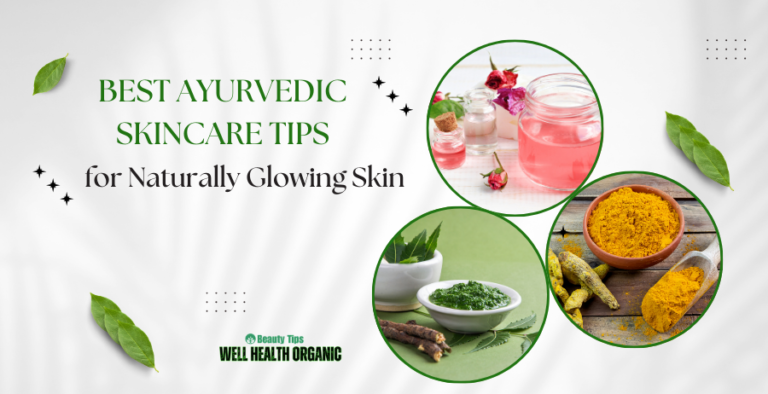
When looking for the most reliable beauty tips – well health organic.com provides a sanctuary of wisdom rooted in time-tested organic alternatives. Millions of people across the subcontinent constantly search for authentic health beauty tips in hindi to treat their skin issues natively, and the core philosophy here bridges that traditional knowledge with organic lifestyle practices.
Why Natural Beauty Tips Matter for Indian Skin
The modern skincare industry loads products with parabens, sulfates, synthetic fragrances, and artificial preservatives. Research shows that the average person applies over 150 synthetic chemicals to their skin before leaving the house each morning. Many of these disrupt hormone balance, irritate the skin barrier, and cause long-term damage while covering up short-term problems.
Indian skin has specific characteristics that make natural remedies especially effective:
- Higher melanin levels mean Indian skin is naturally more prone to hyperpigmentation and dark spots, which Ayurvedic ingredients like turmeric and saffron address directly.
- The tropical and semi-arid climate (humidity in coastal areas, dry heat in northern plains) creates distinct skincare challenges that kitchen staples like rose water, coconut oil, and aloe vera are perfectly suited to handle.
- India’s rich botanical heritage amla, neem, Brahmi, ashwagandha, shikakai provides a pharmacy of proven natural activities that modern science has only recently begun to validate.
At beauty tips – well health organic.com, the philosophy is straightforward: feed your skin what it already recognizes as food. Organic ingredients work with your body’s natural processes rather than forcing chemical change. The results take a little longer to appear, but they last and they come with zero harmful side effects.
The Ayurvedic Foundation of Organic Beauty
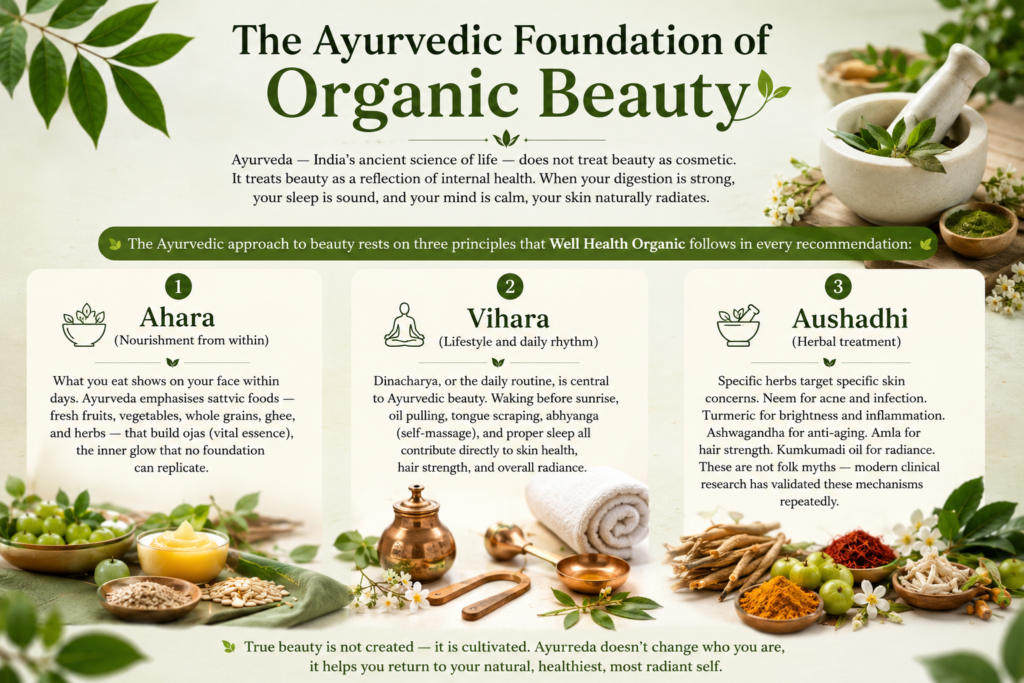
Ayurveda India’s ancient science of life does not treat beauty as cosmetic. It treats beauty as a reflection of internal health. When your digestion is strong, your sleep is sound, and your mind is calm, your skin naturally radiates. This is why when people look for actionable health and beauty tips in hindi or organic regional routines, they often find that true Ayurvedic wisdom transcends language barriers.
The Ayurvedic approach to beauty rests on three principles that Beauty Tips Well Health Organic follows in every recommendation:
1. Ahara (Nourishment from within) What you eat shows on your face within days. Ayurveda emphasizes sattvic foods fresh fruits, vegetables, whole grains, ghee, and herbs that build Ojas (vital essence), the inner glow that no foundation can replicate.
2. Vihara (Lifestyle and daily rhythm) Dinacharya, or the daily routine, is central to Ayurvedic beauty. Waking before sunrise, oil pulling, tongue scraping, abhyanga (self-massage), and proper sleep all contribute directly to skin health, hair strength, and overall radiance.
3. Aushadhi (Herbal treatment) Specific herbs target specific skin concerns. Neem for acne and infection. Turmeric for brightness and inflammation. Ashwagandha for anti-aging. Amla for hair strength. Kumkumadi oil for radiance. These are not folk myths modern clinical research has validated these mechanisms repeatedly.
Know Your Skin Type The Dosha Way
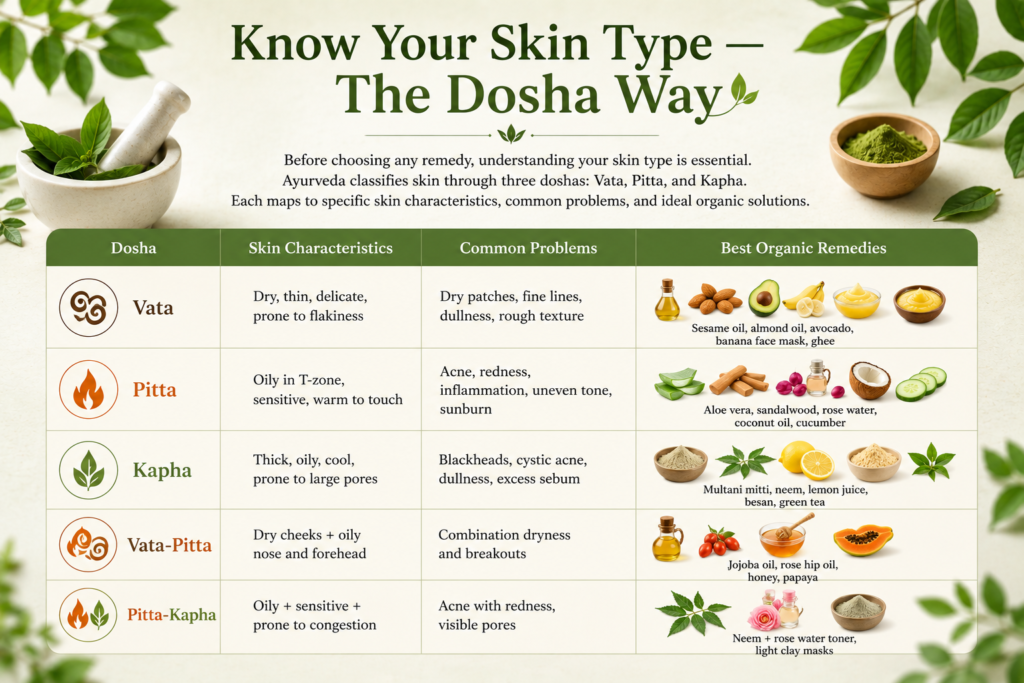
Before choosing any remedy, understanding your skin type is essential. Ayurveda classifies skin through three doshas: Vata, Pitta, and Kapha. Each maps to specific skin characteristics, common problems, and ideal organic solutions.
| Dosha | Skin Characteristics | Common Problems | Best Organic Remedies |
|---|---|---|---|
| Vata | Dry, thin, delicate, prone to flakiness | Dry patches, fine lines, dullness, rough texture | Sesame oil, almond oil, avocado, banana face mask, ghee |
| Pitta | Oily in T-zone, sensitive, warm to touch | Acne, redness, inflammation, uneven tone, sunburn | Aloe vera, sandalwood, rose water, coconut oil, cucumber |
| Kapha | Thick, oily, cool, prone to large pores | Blackheads, cystic acne, dullness, excess sebum | Multani mitti, neem, lemon juice, besan, green tea |
| Vata-Pitta | Dry cheeks + oily nose and forehead | Combination dryness and breakouts | Jojoba oil, rose hip oil, honey, papaya |
| Pitta-Kapha | Oily + sensitive + prone to congestion | Acne with redness, visible pores | Neem + rose water toner, light clay masks |
How to identify your dosha: Vata skin feels tight after washing. Pitta skin turns red easily and feels warm. Kapha skin looks shiny by midday even after washing.
Morning Skincare Routine Using Organic Ingredients
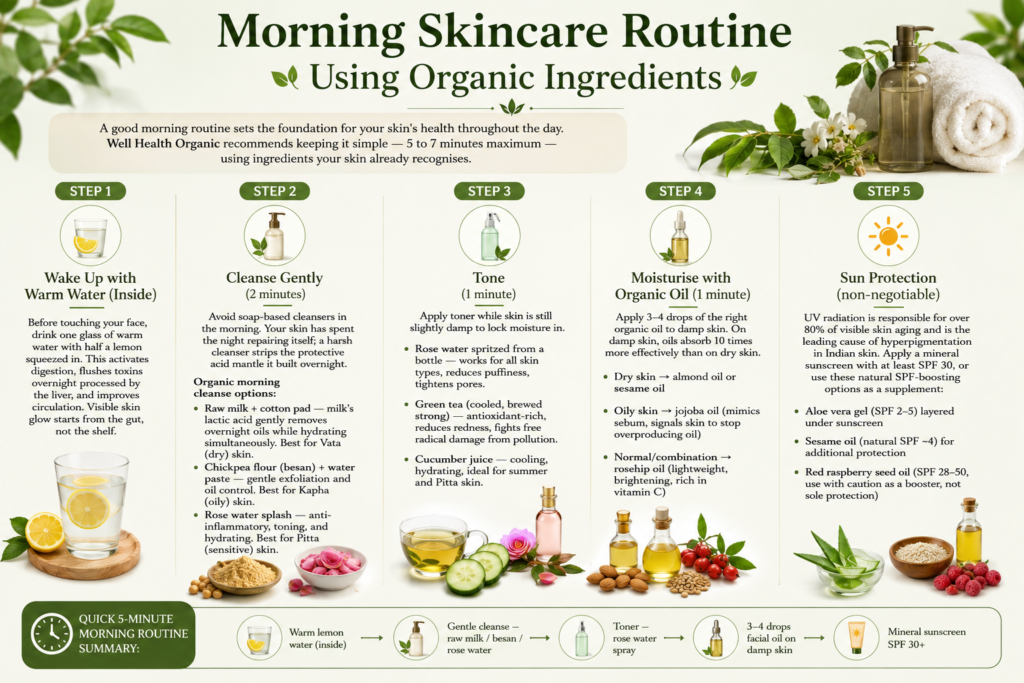
A good morning routine sets the foundation for your skin’s health throughout the day. Beauty tips – well health organic.com recommends keeping it simple 5 to 7 minutes maximum using ingredients your skin already recognizes.
Step 1: Wake Up with Warm Water (Inside)
Before touching your face, drink one glass of warm water with half a lemon squeezed in. This activates digestion, flushes toxins overnight processed by the liver, and improves circulation. Visible skin glow starts from the gut, not the shelf.
Step 2: Cleanse Gently (2 minutes)
Avoid soap-based cleansers in the morning. Your skin has spent the night repairing itself; a harsh cleanser strips the protective acid mantle it built overnight.
Organic morning cleanse options:
- Raw milk + cotton pad: Milk’s lactic acid gently removes overnight oils while hydrating simultaneously. Best for Vata (dry) skin.
- Chickpea flour (besan) + water paste: Gentle exfoliation and oil control. Best for Kapha (oily) skin.
- Rose water splash: Anti-inflammatory, toning, and hydrating. Best for Pitta (sensitive) skin.
Step 3: Tone (1 minute)
Apply toner while skin is still slightly damp to lock moisture in.
- Rose water spritzed from a bottle works for all skin types, reduces puffiness, tightens pores.
- Green tea (cooled, brewed strong) antioxidant-rich, reduces redness, fights free radical damage from pollution.
- Cucumber juice cooling, hydrating, ideal for summer and Pitta skin.
Step 4: Moisturize with Organic Oil (1 minute)
Apply 3–4 drops of the right organic oil to damp skin. On damp skin, oils absorb 10 times more effectively than on dry skin.
- Dry skin → almond oil or sesame oil
- Oily skin → jojoba oil (mimics sebum, signals skin to stop overproducing oil)
- Normal/combination → rosehip oil (lightweight, brightening, rich in vitamin C)
Step 5: Sun Protection
UV radiation is responsible for over 80% of visible skin aging and is the leading cause of hyperpigmentation in Indian skin. Apply a mineral sunscreen with at least SPF 30, or use these natural SPF-boosting options as a supplement:
- Aloe vera gel (SPF 2–5) layered under sunscreen
- Sesame oil (natural SPF ~4) for additional protection
- Red raspberry seed oil (SPF 28–50, use with caution as a booster, not sole protection)
Quick 5-Minute Morning Routine Summary:
- Warm lemon water (inside)
- Gentle cleanse: raw milk / besan / rose water
- Toner: rose water spray
- 3–4 drops facial oil on damp skin
- Mineral sunscreen SPF 30+
Evening Skincare Routine for Overnight Repair
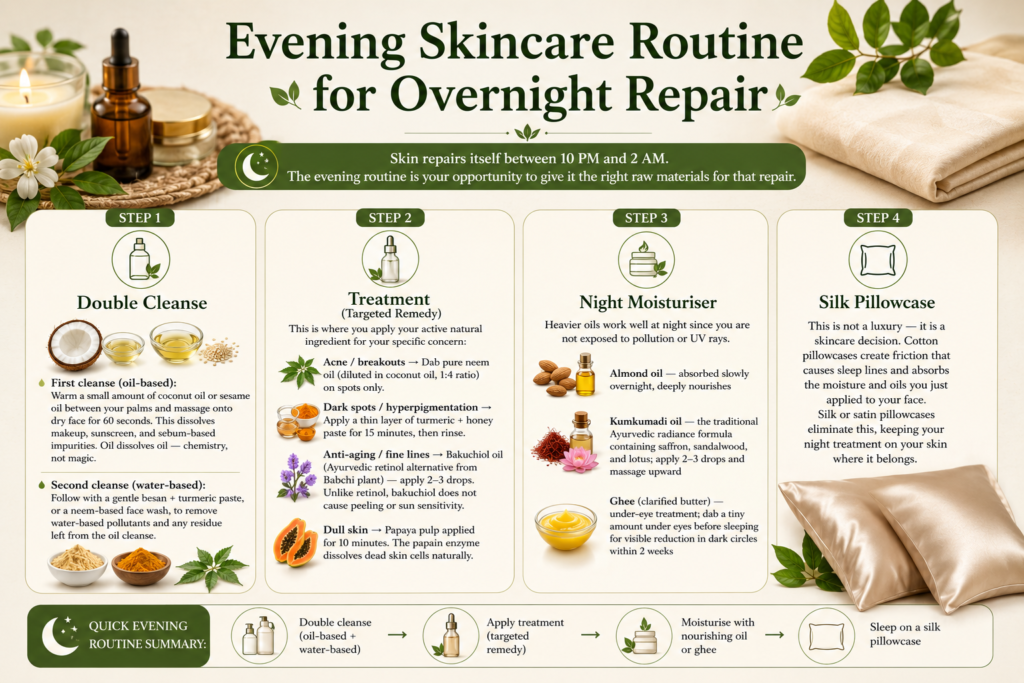
Skin repairs itself between 10 PM and 2 AM. The evening routine is your opportunity to give it the right raw materials for that repair.
Step 1: Double Cleanse
First cleanse (oil-based): Warm a small amount of coconut oil or sesame oil between your palms and massage onto dry face for 60 seconds. This dissolves makeup, sunscreen, and sebum-based impurities. Oil dissolves oil chemistry, not magic.
Second cleanse (water-based): Follow with a gentle besan + turmeric paste, or a neem-based face wash, to remove water-based pollutants and any residue left from the oil cleanse.
Step 2: Treatment
This is where you apply your active natural ingredient for your specific concern:
- Acne / breakouts → Dab pure neem oil (diluted in coconut oil, 1:4 ratio) on spots only.
- Dark spots / hyperpigmentation → Apply a thin layer of turmeric + honey paste for 15 minutes, then rinse.
- Anti-aging / fine lines → Bakuchiol oil (Ayurvedic retinol alternative from Babchi plant) apply 2–3 drops. Unlike retinol, bakuchiol does not cause peeling or sun sensitivity.
- Dull skin → Papaya pulp applied for 10 minutes. The papain enzyme dissolves dead skin cells naturally.
Step 3: Night Moisturizer
Heavier oils work well at night since you are not exposed to pollution or UV rays.
- Almond oil: Absorbed slowly overnight, deeply nourishes
- Kumkumadi oil: The traditional Ayurvedic radiance formula containing saffron, sandalwood, and lotus; apply 2–3 drops and massage upward
- Ghee (clarified butter): Under-eye treatment; dab a tiny amount under eyes before sleeping for visible reduction in dark circles within 2 weeks
Step 4: Silk Pillowcase
This is not a luxury it is a skincare decision. Cotton pillowcases create friction that causes sleep lines and absorbs the moisture and oils you just applied to your face. Silk or satin pillowcases eliminate this, keeping your night treatment on your skin where it belongs.
Top 7 Organic Ingredients Every Indian Kitchen Has
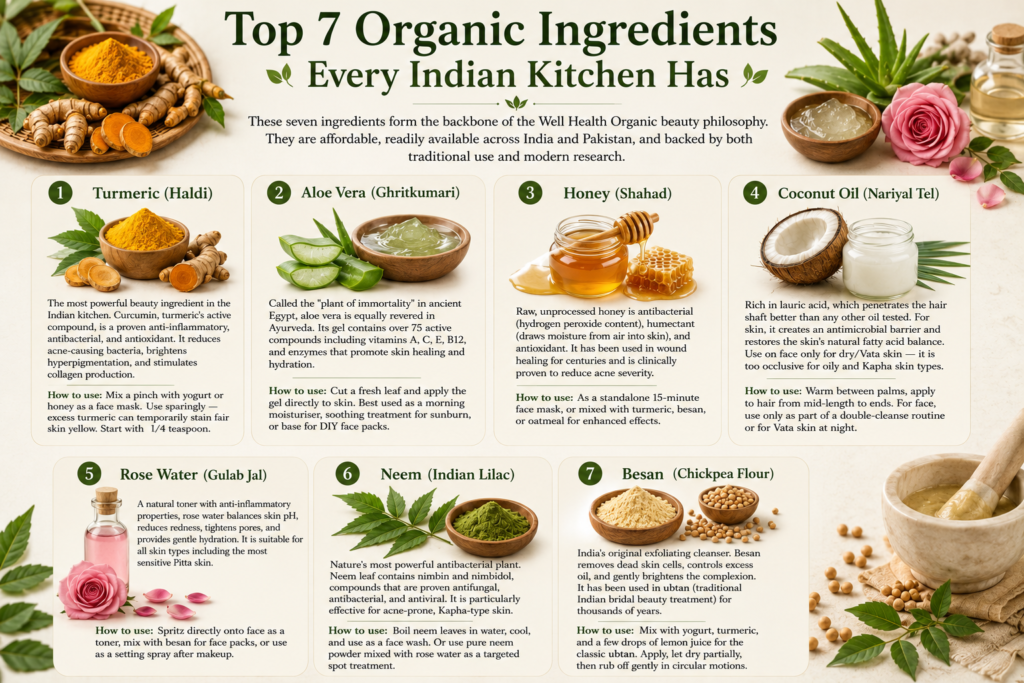
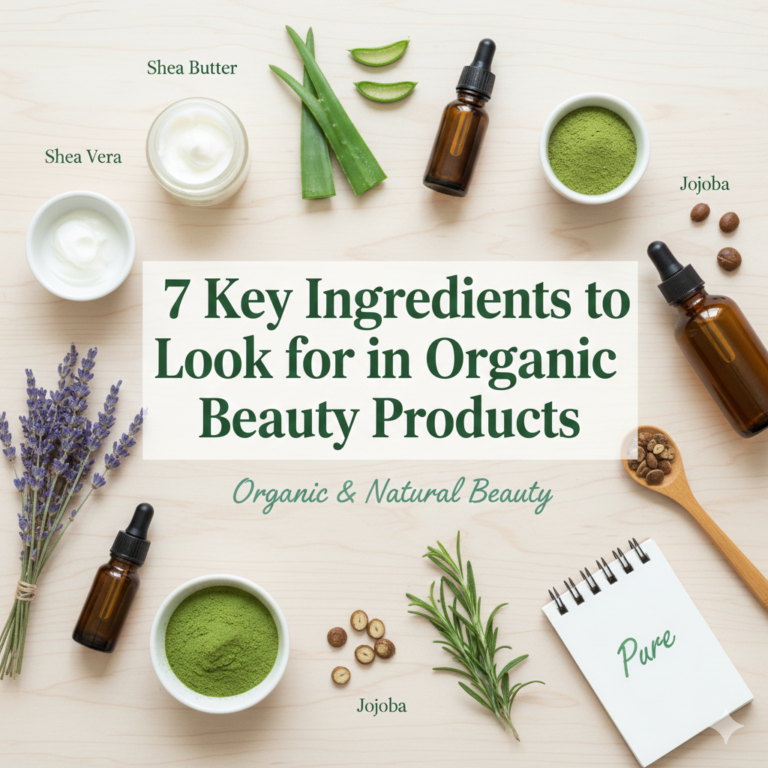
These seven ingredients form the backbone of the Beauty tips – well health organic.com beauty philosophy. They are affordable, readily available across India, and backed by traditional use and modern research. These seven ingredients also called as a home remedy.
1. Turmeric (Haldi)
The most powerful beauty ingredient in the Indian kitchen. Curcumin, turmeric’s active compound, is a proven anti-inflammatory, antibacterial, and antioxidant. It reduces acne-causing bacteria, brightens hyperpigmentation, and stimulates collagen production.
How to use: Mix a pinch with yogurt or honey as a face mask. Use sparingly excess turmeric can temporarily stain fair skin yellow. Start with 1/4 teaspoon.
2. Aloe Vera (Ghritkumari)
Called the “plant of immortality” in ancient Egypt, aloe vera is equally revered in Ayurveda. Its gel contains over 75 active compounds including vitamins A, C, E, B12, and enzymes that promote skin healing and hydration.
How to use: Cut a fresh leaf and apply the gel directly to skin. Best used as a morning moisturiser, soothing treatment for sunburn, or base for DIY face packs.
3. Honey (Shahad)
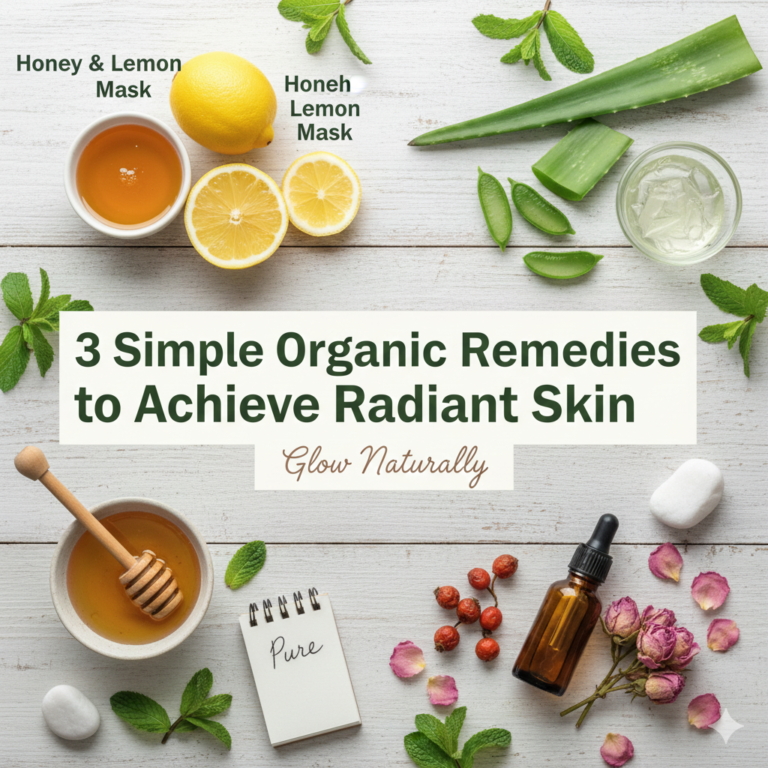
Raw, unprocessed honey is antibacterial (hydrogen peroxide content), humectant (draws moisture from air into skin), and antioxidant. It has been used in wound healing for centuries and is clinically proven to reduce acne severity.
How to use: As a standalone 15-minute face mask, or mixed with turmeric, besan, or oatmeal for enhanced effects.
4. Coconut Oil (Nariyal Tel)
Rich in lauric acid, which penetrates the hair shaft better than any other oil tested. For skin, it creates an antimicrobial barrier and restores the skin’s natural fatty acid balance. Use on face only for dry/Vata skin it is too occlusive for oily and Kapha skin types.
How to use: Warm between palms, apply to hair from mid-length to ends. For face, use only as part of a double-cleanse routine or for Vata skin at night.
5. Rose Water (Gulab Jal)
A natural toner with anti-inflammatory properties, rose water balances skin pH, reduces redness, tightens pores, and provides gentle hydration. It is suitable for all skin types including the most sensitive Pitta skin.
How to use: Spritz directly onto face as a toner, mix with besan for face packs, or use as a setting spray after makeup.
6. Neem (Indian Lilac)
Nature’s most powerful antibacterial plant. Neem leaf contains nimbin and nimbidol, compounds that are proven antifungal, antibacterial, and antiviral. It is particularly effective for acne-prone, Kapha-type skin.
How to use: Boil neem leaves in water, cool, and use as a face wash. Or use pure neem powder mixed with rose water as a targeted spot treatment.
7. Besan (Chickpea Flour)
India’s original exfoliating cleanser. Besan removes dead skin cells, controls excess oil, and gently brightens the complexion. It has been used in ubtan (traditional Indian bridal beauty treatment) for thousands of years.
How to use: Mix with yogurt, turmeric, and a few drops of lemon juice for the classic ubtan. Apply, let dry partially, then rub off gently in circular motions.
DIY Organic Face Packs: Recipes That Actually Work
These recipes are based on traditional Indian beauty practices, validated by modern dermatological understanding of their active compounds.
Recipe 1: The Classic Ubtan (Brightening + Glow)
For: Dull, uneven skin tone, wedding prep, general brightening
| Ingredient | Amount | Purpose |
|---|---|---|
| Besan (chickpea flour) | 2 tablespoons | Exfoliation, oil control |
| Turmeric powder | 1/4 teaspoon | Brightening, antibacterial |
| Plain yogurt | 1 tablespoon | Lactic acid exfoliation, hydration |
| Rose water | A few drops | Toning, anti-inflammatory |
| Raw honey | 1 teaspoon | Humectant, antibacterial |
Method: Mix all ingredients into a smooth paste. Apply to clean face and neck in gentle circular motions. Leave for 15–20 minutes until semi-dry. Gently rub off with wet fingers (this is the exfoliation step), then rinse with cool water. Use 2–3 times per week.
Expected results: Visible brightness after first use. Significant improvement in skin tone and texture within 3–4 weeks of consistent use.
Recipe 2: Turmeric + Honey Acne Mask
For: Active acne, breakouts, oily and Kapha skin
| Ingredient | Amount | Purpose |
|---|---|---|
| Raw honey | 1 tablespoon | Antibacterial, wound healing |
| Turmeric powder | 1/4 teaspoon | Kills acne bacteria, reduces inflammation |
| Neem powder | 1/2 teaspoon | Antifungal, deep pore cleansing |
Method: Mix into a thick paste. Apply only to acne-prone areas or entire face. Leave for 10–15 minutes. Rinse with lukewarm water. Use every other day for active breakouts; twice a week for maintenance.
Recipe 3: Aloe Vera + Rose Water Soothing Mask
For: Sensitive skin, sunburn, redness, Pitta skin type
| Ingredient | Amount | Purpose |
|---|---|---|
| Fresh aloe vera gel | 2 tablespoons | Anti-inflammatory, cooling |
| Rose water | 1 tablespoon | Calming, pH balancing |
| Cucumber juice | 1 teaspoon | Cooling, tightening |
Method: Blend ingredients together. Apply a generous layer to face. Leave for 20 minutes (refrigerate the mixture for an extra cooling effect on hot days). Rinse with cool water. Can be used daily on sensitive or sunburned skin.
Recipe 4: Banana + Honey Anti-Aging Mask
For: Mature skin, fine lines, dehydrated skin, Vata skin type
| Ingredient | Amount | Purpose |
|---|---|---|
| Ripe banana | 1/2 (mashed) | Vitamins B6, C; natural AHA |
| Raw honey | 1 tablespoon | Humectant, antioxidant |
| Almond oil | 5 drops | Fatty acids, vitamin E |
Method: Mash banana until smooth, no lumps. Mix in honey and almond oil. Apply to face and neck. Leave for 20–25 minutes. Rinse with cool water. Use twice weekly.
Recipe 5: Papaya Enzyme Brightening Mask
For: Dark spots, sun damage, uneven skin tone
| Ingredient | Amount | Purpose |
|---|---|---|
| Ripe papaya pulp | 3 tablespoons | Papain enzyme: dissolves dead skin cells |
| Lemon juice | 1/2 teaspoon | Vitamin C, brightening |
| Honey | 1 teaspoon | Protective humectant |
Method: Blend papaya until smooth. Mix in lemon juice and honey. Apply, avoiding eyes. Leave for 10–15 minutes only papain is a strong enzyme and prolonged contact can irritate. Rinse thoroughly. Use once a week. Always apply sunscreen the next morning, as lemon juice increases sun sensitivity.
Organic Hair Care Tips From Roots to Tips
Indian hair care tradition is arguably the most advanced in the world the same practices that grandmothers followed are now being studied in trichology labs and validated by scientists.
Pre-Wash Oil Treatment (Champi)
The weekly or twice-weekly oil massage (champi) is the single most effective hair care practice you can adopt. Warm oil penetrates the hair shaft, reduces protein loss during washing, and stimulates scalp circulation to promote growth.
Best oils by hair concern:
| Hair Concern | Best Oil | Application Method |
|---|---|---|
| Hair fall / thinning | Castor oil (mixed with coconut, 1:2 ratio) | Massage into scalp, leave 1 hour or overnight |
| Dandruff | Neem oil (mixed with coconut, 1:3 ratio) | Apply to scalp, leave 30 minutes |
| Dry, brittle hair | Almond oil or argan oil | Mid-length to ends, 30 minutes before wash |
| Premature greying | Amla oil | Scalp massage, leave 1–2 hours |
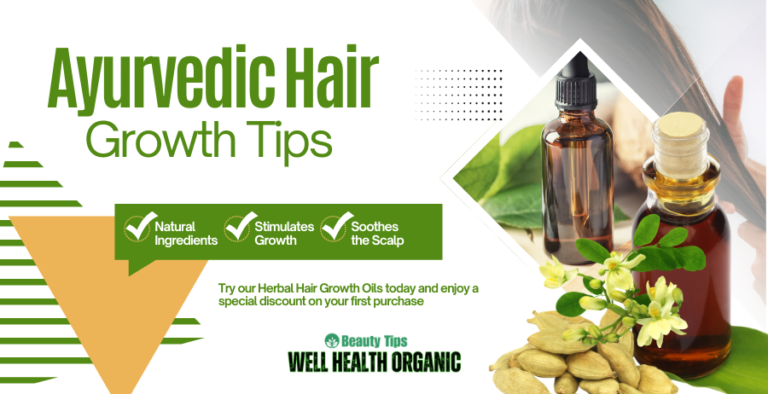
| Hair growth | Bhringraj oil | Scalp massage, 45 minutes before wash |
Herbal Hair Wash Alternatives
Commercial shampoos strip the scalp of its natural oils, triggering compensatory overproduction of sebum. The following traditional alternatives cleanse gently without this disruption:
- Shikakai powder: traditional Indian cleanser, lathers mildly, maintains natural oils
- Reetha (soapnuts): soaked overnight, the water becomes a natural shampoo
- Amla powder: added to any herbal wash, strengthens hair and prevents breakage
Hair Masks for Growth and Strength
Fenugreek (Methi) + Yogurt Mask: Soak 2 tablespoons of fenugreek seeds overnight. Blend into a paste with 2 tablespoons of yogurt. Apply to scalp and hair. Leave for 30–45 minutes. Rinse with shikakai or mild shampoo. Fenugreek contains nicotinic acid and protein, proven to stimulate hair follicles and reduce hair fall.
Onion Juice Scalp Treatment: Clinically proven in multiple studies to significantly improve hair regrowth, particularly in alopecia areata. Blend one onion, strain the juice, apply to scalp with cotton, leave 30 minutes, wash out. The smell fades completely once dry. Use twice a week for 8–12 weeks for visible results.
Aloe Vera + Coconut Oil Hair Mask: Mix 3 tablespoons of fresh aloe vera gel with 2 tablespoons of warm coconut oil. Apply from roots to ends. Leave for 1 hour or overnight. Rinse. This is the most effective combination for restoring shine and reducing frizz naturally.
Diet and Inner Wellness for Outer Beauty
Ayurveda says: “Rupa is the reflection of Arogya” beauty is the reflection of health. No topical treatment can substitute for nourishing your body from within.
Foods That Build Skin Health
Vitamin C-rich foods (mango, amla, guava, bell peppers) are essential for collagen synthesis. Your body cannot build collagen without vitamin C. Eat at least one vitamin C-rich food daily.
Healthy fats (ghee, walnuts, flaxseeds, avocado, sesame seeds) provide the building blocks for your cell membranes. Skin that lacks healthy fats becomes dry, wrinkled, and loses elasticity.
Antioxidant-rich foods (pomegranate, berries, spinach, dark leafy greens) combat free radical damage from pollution, UV exposure, and stress all major drivers of premature aging in Indian urban populations.
Zinc-rich foods (pumpkin seeds, chickpeas, lentils, sesame) directly support wound healing, acne reduction, and new cell production.
Hydration
Drink 8–10 glasses of water daily. Herbal teas (hibiscus, chamomile, green tea) count toward this and add antioxidant benefits. Coconut water provides electrolytes and skin-supporting silica.
Tip: Infuse your water with cucumber and mint for a natural skin-clearing detox drink that has been used in Ayurvedic spas for centuries.
Sleep
Growth hormone which drives skin cell repair, collagen synthesis, and hair follicle regeneration peaks during deep sleep between 10 PM and 2 AM. Sleeping 7–8 hours consistently, and sleeping before 11 PM specifically, is the single most powerful anti-aging intervention available.
Stress Management
Cortisol (the stress hormone) directly increases sebum production (causing acne), breaks down collagen (causing wrinkles), and impairs the skin barrier (causing sensitivity and dullness). Pranayama (breathing exercises), daily yoga, and meditation are not luxuries they are skincare.
Seasonal Beauty Tips for Indian Climate
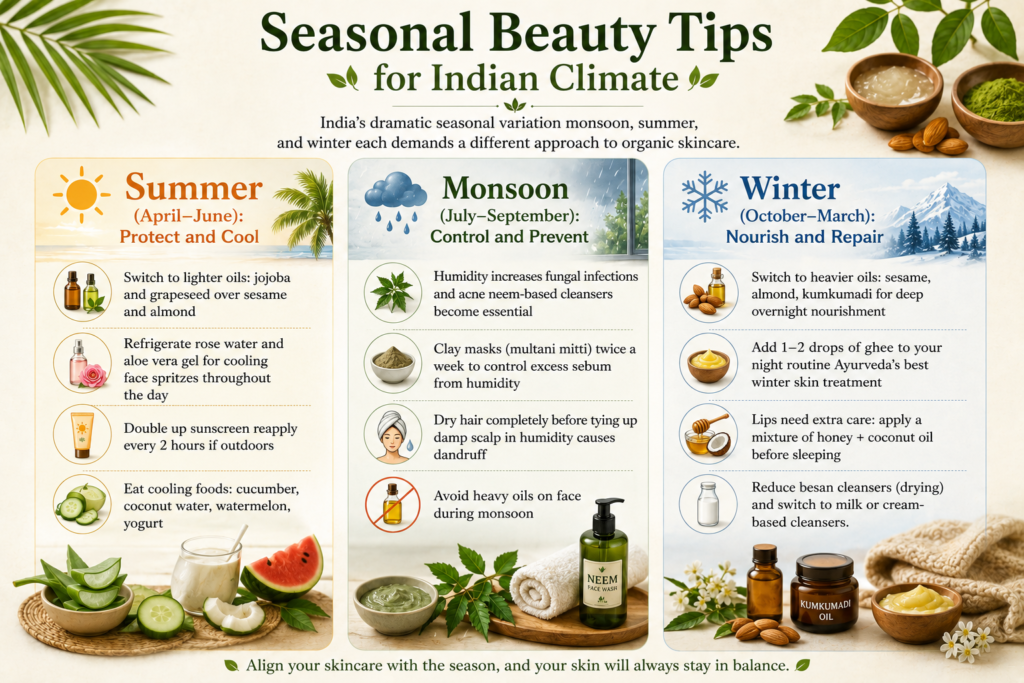
India’s dramatic seasonal variation monsoon, summer, and winter each demands a different approach to organic skincare.
Summer (April–June): Protect and Cool
- Switch to lighter oils: jojoba and grapeseed over sesame and almond
- Refrigerate rose water and aloe vera gel for cooling face spritzes throughout the day
- Double up sunscreen reapply every 2 hours if outdoors
- Eat cooling foods: cucumber, coconut water, watermelon, yogurt
Monsoon (July–September): Control and Prevent
- Humidity increases fungal infections and acne neem-based cleansers become essential
- Clay masks (multani mitti) twice a week to control excess sebum from humidity
- Dry hair completely before tying up damp scalp in humidity causes dandruff
- Avoid heavy oils on face during monsoon
Winter (October–March): Nourish and Repair
- Switch to heavier oils: sesame, almond, kumkumadi for deep overnight nourishment
- Add 1–2 drops of ghee to your night routine Ayurveda’s best winter skin treatment
- Lips need extra care: apply a mixture of honey + coconut oil before sleeping
- Reduce besan cleansers (drying) and switch to milk or cream-based cleansers.
Skin Type Specific Remedy Guide
| Skin Type | Main Concern | Best Cleanse | Best Mask | Best Oil | Avoid |
|---|---|---|---|---|---|
| Dry (Vata) | Flakiness, tightness | Raw milk + rose water | Banana + honey + almond oil | Sesame or almond oil | Besan (drying), lemon |
| Oily (Kapha) | Shine, blackheads | Besan + neem paste | Multani mitti + rose water | Jojoba oil only | Coconut oil, heavy creams |
| Sensitive (Pitta) | Redness, burning | Rose water only | Aloe vera + cucumber | Chamomile or calendula oil | Lemon, turmeric (excess), essential oils |
| Combination | T-zone oily + dry cheeks | Mild besan + milk mix | Clay on T-zone, honey on cheeks | Rosehip oil | Over-cleansing |
| Acne-prone | Breakouts, scars | Neem + rose water wash | Turmeric + honey + neem | Jojoba (face) castor (scalp) | Coconut oil on face, heavy scrubs |
| Mature/Aging | Fine lines, loss of firmness | Cream or milk cleanser | Papaya + honey | Kumkumadi or bakuchiol | Harsh exfoliants, alcohol toners |
Common Beauty Mistakes to Avoid
Even with the best intentions, these habits silently sabotage your results:
1. Over-exfoliating: Your skin renews itself every 28 days. Exfoliating daily damages the moisture barrier, causing redness, sensitivity, and paradoxical dullness. Maximum 2–3 times per week.
2. Using turmeric in excess: A common mistake in Indian skincare. More than 1/4 teaspoon in a face pack can leave a yellow tint, especially on lighter skin tones. Start small the benefits are in the compound, not the quantity.
3. Applying lemon juice directly: Undiluted lemon juice has a pH of 2 far too acidic for direct skin application. It can cause chemical burns, photosensitivity, and uneven pigmentation when combined with sun exposure. Always dilute in a carrier (honey, yogurt) and always apply sunscreen afterward.
4. Skipping sunscreen on cloudy days: UV radiation penetrates clouds. 80% of UV rays reach the skin even on overcast days. Skipping sunscreen on cloudy days is one of the leading causes of cumulative skin damage.
5. Using coconut oil on oily/acne-prone skin: Coconut oil has a comedogenic rating of 4/5 it clogs pores for most people, especially Kapha skin types. Jojoba oil is a better choice for oily skin.
6. Expecting overnight results: Natural remedies work at a cellular level. The ubtan takes 3–4 weeks to visibly improve skin tone. Onion juice takes 8–12 weeks for hair regrowth. Patience is built into the organic beauty philosophy. If you are not seeing results in 6 weeks of consistent use, it is time to adjust the remedy to your specific dosha.
Conclusion
The wisdom behind Beauty tips – well health organic.com is not new. It is the wisdom of your grandmothers, encoded in the Charaka Samhita, practiced in Indian kitchens for 5,000 years, and now validated by modern dermatological research. The ingredients are in your kitchen. The routines are simple. The results, when you are consistent, are real.
Start with one change today. Swap your commercial face wash for a besan + rose water cleanse. Add warm lemon water to your morning. Apply aloe vera gel before bed. Small, consistent shifts compound into lasting transformation.
True beauty is not a product you buy. It is a reflection of how well you nourish yourself from the inside out.
FAQs
Are organic beauty remedies safe for sensitive skin?
Yes, with appropriate selection. Sensitive (Pitta) skin should avoid high-acid ingredients (lemon juice, ACV) and highly active ones (undiluted essential oils, excess turmeric). The safest remedies for sensitive skin are: pure aloe vera gel, rose water, cucumber, cold raw milk, and chamomile tea used as a toner. Always do a patch test on the inside of your wrist 24 hours before applying any new ingredient to your face.
What is the best Ayurvedic remedy for dark circles under eyes?
The most effective Ayurvedic treatments for dark circles: (1) dab a small amount of ghee under eyes every night before sleeping improves over 2–4 weeks; (2) apply cold used green tea bags for 10 minutes daily reduces puffiness and discoloration; (3) almond oil massage in gentle circular motions before sleeping. These address the circulatory and pigmentation causes of dark circles. Note: dark circles from iron deficiency require dietary iron supplementation alongside topical treatment.
Is turmeric safe for daily use on face?
Daily use of small amounts (1/4 teaspoon or less) in a rinse-off mask is generally safe for most skin types. However, turmeric is a potent active — daily use on sensitive or fair skin may cause mild staining or irritation. 3–4 times per week is the recommended frequency for most people.
How long do natural and Ayurvedic beauty remedies take to show results?
Most organic remedies require 3–4 weeks for noticeable skin improvement and 8–12 weeks for significant changes like reduced hyperpigmentation or regrown hair. Natural remedies work at a cellular level, building long-term health rather than masking problems. Results, when they come, are more durable than those from chemical treatments.
What are the best natural beauty tips for glowing skin at home?
The most effective combination is: drink warm lemon water every morning, cleanse with besan + yogurt ubtan 3 times a week, apply a turmeric + honey mask twice a week, and moisturise with 3–4 drops of rosehip oil on damp skin daily. Consistent practice over 4–6 weeks produces visible, lasting glow.
Disclaimer: The information provided on this website is for educational purposes only. Always consult with healthcare professionals before starting any new health or beauty regimen, especially if you have existing health conditions or allergies.