Best Ayurvedic Skincare Tips for Naturally Glowing Skin 2026

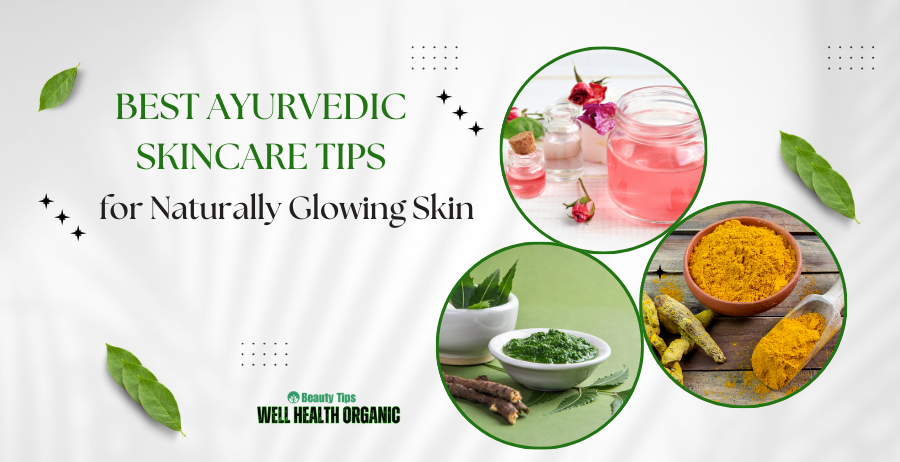
Getting beautiful, glowing skin doesn’t need expensive products or complicated routines. The ancient science of Ayurveda has been helping people maintain healthy skin for thousands of years using natural ingredients and simple practices. These time-tested methods work with your body’s natural balance rather than against it.
This guide will show you practical Ayurvedic skincare tips that are easy to follow and work for Indian skin types. You’ll learn about understanding your skin, choosing the right ingredients, and creating a daily routine that brings out your natural glow.
✨ Quick Ayurvedic Skincare Checklist
- ☀️ Morning: Cleanse with Besan (Gram flour) & tone with Rose Water.
- 🧴 Moisturize: Use Kumkumadi oil or Aloe Vera based on your Dosha.
- 🥗 Diet: Include Ghee and Vitamin C rich fruits (Amla).
- 🌙 Night: Double cleanse and apply a natural face pack twice a week.
Effective Ayurvedic Skincare Tips for Indian Skin Types
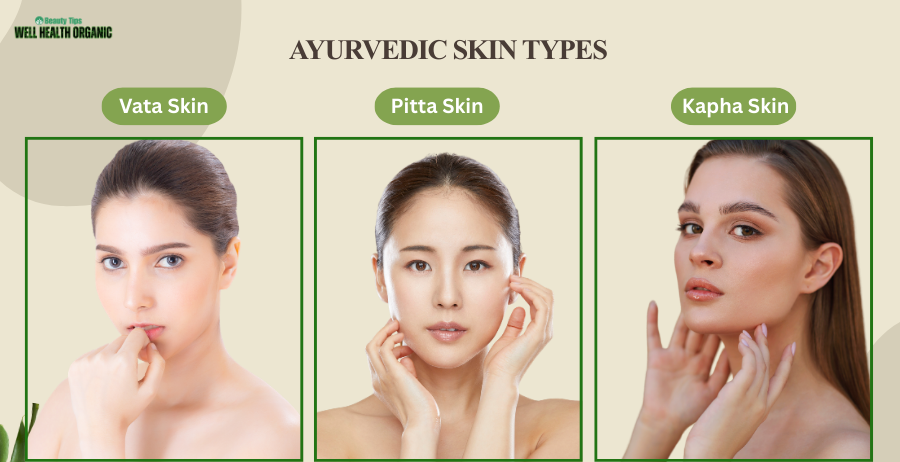
Before starting any skincare routine, you need to know your skin type. Ayurveda categorizes skin into three main types based on doshas – the natural energies in your body.
Vata Skin (Dry and Delicate)
Vata skin feels dry, rough, and thin. It gets easily dehydrated and shows fine lines quickly. People with this skin type often notice their skin feels tight after washing. Cold weather makes it worse, and the skin can become flaky or dull.
If you have Vata skin, you need extra moisture both inside and outside. Oil-based products work best for you. Sesame oil, almond oil, and ghee are excellent choices. Your skin loves rich, nourishing ingredients that lock in hydration.
Pitta Skin (Sensitive and Reactive)
Pitta skin tends to be warm, soft, and sensitive. It often looks slightly red or flushed. This skin type is prone to acne, rashes, and inflammation. Hot weather, spicy food, and stress can trigger breakouts or irritation.
For Pitta skin, cooling ingredients are essential. Aloe vera, sandalwood, rose water, and cucumber help calm inflammation. Avoid harsh scrubs and hot water, as they can irritate your sensitive skin further.
Kapha Skin (Oily and Thick)
Kapha skin is naturally oily with visible pores. It feels thick, smooth, and cool to touch. While this skin type ages slowly, it’s prone to blackheads, whiteheads, and acne. The oiliness increases during humid weather.
People with Kapha skin benefit from lighter, astringent products. Neem, tulsi, tea tree, and clay masks help balance oil production. Regular cleansing and gentle exfoliation keep pores clear.
Dosha-Based Skincare Table
| Skin Type (Dosha) | Characteristics | Key Ingredients | Best Oil |
| Vata | Dry, thin, cold, prone to early wrinkles | Ashwagandha, Milk, Honey | Sesame or Almond Oil |
| Pitta | Sensitive, warm, prone to acne/redness | Aloe Vera, Sandalwood, Rose | Coconut or Ghee |
| Kapha | Oily, thick, large pores, ages slowly | Neem, Tulsi, Multani Mitti | Sunflower or Jojoba |
Best Natural Ingredients Used in Ayurvedic Skincare Tips
Ayurvedic skincare relies on herbs, oils, and natural substances that have been used for centuries. Here are the most effective ones you can easily find in India.
Turmeric (Haldi): The Golden Secret for Radiant Ski
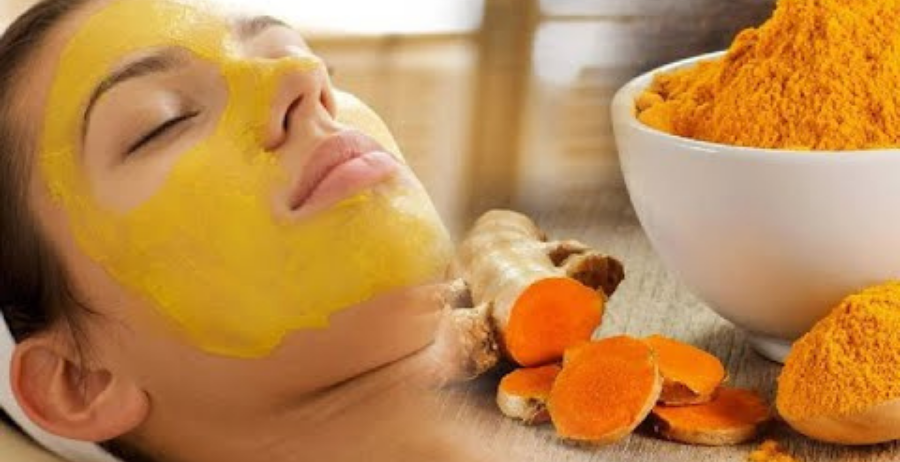
Turmeric is probably the most famous Indian skincare ingredient, and for good reason. It contains curcumin, which fights inflammation and kills bacteria that cause acne. Regular use of turmeric makes skin brighter and more even-toned.
The golden spice also helps heal wounds faster and reduces scars over time. Mix a pinch of turmeric with milk, yogurt, or honey to create a simple face mask. Use it twice a week for best results.
Neem & Tulsi: Nature’s Way to Fight Acne
Neem is nature’s antibiotic for skin. It has strong antibacterial and antifungal properties that make it perfect for treating acne and infections. Neem also purifies blood when consumed, which reflects in clearer skin.
You can use neem leaves, neem powder, or neem oil. A paste of fresh neem leaves applied to pimples helps them heal quickly. For oily skin, washing your face with neem water in the morning controls excess oil throughout the day.
Sandalwood (Chandan)
Sandalwood has a cooling effect on skin, making it perfect for hot Indian summers. It reduces tan, soothes sunburn, and gives skin a natural glow. The aromatic wood powder has been used in beauty treatments for centuries.
Mix sandalwood powder with rose water to create a cooling face pack. This combination works wonders for Pitta skin types and anyone dealing with skin redness or irritation.
Aloe Vera
Fresh aloe vera gel is a complete skincare solution. It moisturizes without making skin oily, heals sunburn, reduces acne scars, and fights aging. Almost every home in India has an aloe vera plant, making it the most accessible remedy.
Simply cut an aloe leaf, scoop out the clear gel, and apply it directly to your face. Leave it on for 15-20 minutes before washing. You can use aloe vera daily without any side effects. Aloe vera benefits for skin hydration and healing.
Rose Water
Rose water is a gentle toner that suits all skin types. It tightens pores, maintains pH balance, and refreshes tired skin. The natural fragrance also has a calming effect on the mind.
Keep rose water in a spray bottle and spritz your face whenever it feels dry or dull. Use it after cleansing to prepare skin for moisturizer. Rose water mixed with glycerin makes an excellent night moisturizer for dry skin.
Creating Your Daily Ayurvedic Skincare Routine
A good skincare routine doesn’t need to be complicated. Ayurveda recommends three basic steps: cleanse, nourish, and protect. Here’s how to build a routine that works for Indian skin.
Morning Routine
Step 1: Cleanse Gently
Start your day by washing your face with lukewarm water. If you have oily skin, use a mild face wash with neem or tulsi. For dry skin, a cream-based cleanser works better. Avoid soap on your face as it strips natural oils.
A traditional cleanser you can make at home uses chickpea flour (besan). Mix two tablespoons of besan with enough water or milk to make a paste. Gently rub it on wet skin in circular motions, then rinse off. This removes dead skin cells without harsh chemicals.
Step 2: Tone and Refresh
After cleansing, pat your face dry and apply a natural toner. Rose water is the simplest option. For oily skin, mix rose water with a few drops of lemon juice. This step removes any remaining dirt and prepares skin for moisturizer.
You can also use cucumber water or green tea as a toner. Both have cooling properties and provide antioxidants that protect skin from damage.
Step 3: Moisturize According to Skin Type
Choose a moisturizer based on your dosha. Vata skin needs rich oils like almond or sesame oil. Apply a few drops on damp skin for maximum absorption. Pitta skin does well with aloe vera gel or light coconut oil. Kapha skin benefits from gel-based moisturizers or very light oils like jojoba.
If you use oils, remember that a little goes a long way. Start with 3-4 drops and add more only if needed.
Step 4: Sun Protection
Indian skin needs sun protection throughout the year. Use a natural sunscreen or make your own using zinc oxide and coconut oil. If going out during peak hours (11 AM to 3 PM), cover your face with a scarf or hat for extra protection.
Evening Routine
Step 1: Deep Cleanse
At night, your cleansing needs to be more thorough to remove pollution, sweat, and dirt accumulated during the day. Use oil cleansing for the best results. Massage your face with sesame oil (for Vata), coconut oil (for Pitta), or sunflower oil (for Kapha) for 2-3 minutes. Then use your regular face wash.
This double cleansing method removes everything without stripping your skin’s natural moisture barrier.
Step 2: Face Massage (Optional)
A quick facial massage improves blood circulation and helps products absorb better. Use upward strokes from your neck to forehead. Spend extra time on areas prone to wrinkles like around the eyes and mouth. This practice, called Mukha Abhyanga, takes only 5 minutes but makes a noticeable difference.
Step 3: Night Treatment
Night is when your skin repairs itself. Apply a nourishing face pack twice a week. Here are some tried-and-tested combinations:
For acne-prone skin: Mix neem powder, turmeric, and yogurt. Apply for 15 minutes.
For dry skin: Mash a ripe banana with honey and milk. This deeply moisturizes.
For aging skin: Mix saffron strands soaked in milk with honey. This reduces fine lines.
For glowing skin: Use gram flour with turmeric and cream. This brightens complexion.
Step 4: Night Moisturizer
Before bed, apply a slightly heavier moisturizer than your morning one. Ghee mixed with a drop of essential oil works beautifully for aging skin. Kumkumadi oil is a traditional Ayurvedic preparation that brightens skin overnight.
For oily skin, aloe vera gel mixed with a few drops of tea tree oil provides antibacterial benefits without heaviness.
Weekly Ayurvedic Skincare Tips: DIY Ubtans and Masks
Besides your daily routine, these weekly practices enhance your skin’s health significantly.
The Traditional Ubtan
Ubtan is an ancient Indian exfoliating and cleansing treatment. It gently removes dead skin, unclogs pores, and reveals fresh, glowing skin underneath.
Basic Ubtan Recipe:
- 2 tablespoons chickpea flour
- 1 teaspoon turmeric powder
- 1 tablespoon milk powder (for dry skin) or yogurt (for oily skin)
- Water or milk to make a paste
Mix all ingredients and apply to face and body. Let it dry for 10-15 minutes, then scrub gently while washing off. The slight abrasive action removes dead cells while the ingredients nourish your skin.
You can customize ubtan by adding sandalwood powder, neem powder, or rose water based on your skin needs.
Face Steaming with Herbs
Steam opens pores and allows better cleansing. Boil water with neem leaves, tulsi, or mint leaves. Hold your face over the steam (at a safe distance) for 5-7 minutes with a towel over your head. This is excellent for removing blackheads and deep-seated dirt.
After steaming, apply a clay mask to draw out impurities. Multani mitti (Fuller’s earth) is the most popular clay used in India. Mix it with rose water for a simple yet effective mask.
Oil Massage (Abhyanga)
A weekly full-body oil massage improves skin texture and promotes overall health. Warm some oil according to your dosha and massage your entire body before bathing. This ancient practice nourishes skin deeply, improves circulation, and removes toxins.
For best results, leave the oil on for at least 20 minutes before washing. Many people prefer doing this on Sunday mornings as a self-care ritual.
Important Lifestyle Habits for Healthy Skin
Ayurveda teaches that healthy skin comes from within. External treatments work best when supported by good lifestyle choices.
Daily Habits
Agni (Digestive Fire): Drink warm water in the morning to detoxify your skin.
Seasonal Eating: Eat local, seasonal fruits like Mangoes in summer and Amla in winter.
Nasyam: Put 2 drops of Anu Thailam or Ghee in nostrils for a natural facial glow.
Abhyanga: Massage your body with warm oil at least once a week before bathing.
Eat Skin-Friendly Foods
Your diet directly affects your skin’s appearance. Fresh fruits, vegetables, whole grains, and healthy fats nourish skin from inside. Avoid processed foods, excessive sugar, and fried items as they cause breakouts and dullness.
Foods particularly good for skin include:
- Carrots and sweet potatoes (vitamin A for cell renewal)
- Nuts and seeds (healthy fats and vitamin E)
- Citrus fruits (vitamin C for collagen production)
- Green leafy vegetables (minerals and antioxidants)
- Ghee in moderate amounts (nourishes all tissues)
Stay Hydrated
Drinking enough water is the simplest skincare tip, yet many people ignore it. Aim for at least 8 glasses of water daily. Add a slice of cucumber or a few mint leaves to make it more refreshing.
Coconut water, buttermilk, and herbal teas also count toward your hydration needs. Well-hydrated skin looks plump, fresh, and glows naturally.
»10 Best Ayurvedic Hair Growth Tips That Actually Work in 2026
Get Proper Sleep
Your skin repairs and regenerates while you sleep. Lack of sleep shows immediately on your face through dark circles, puffiness, and dull complexion. Try to sleep by 10 PM and wake up early for the best skin benefits.
Keep your sleeping area clean and use a silk or satin pillowcase which causes less friction than cotton. This prevents sleep lines and is gentler on skin.
Manage Stress
Stress hormones cause breakouts, dullness, and premature aging. Practice yoga, meditation, or pranayama (breathing exercises) for 15-20 minutes daily. These ancient practices calm your mind and reflect in your skin’s appearance.
Even simple activities like walking in nature, listening to music, or spending time with loved ones reduce stress and improve skin health.
Exercise Regularly
Physical activity increases blood circulation, bringing oxygen and nutrients to skin cells. It also helps remove toxins through sweat. Any form of exercise works – walking, yoga, dancing, or sports.
Just remember to wash your face after exercising to remove sweat and prevent clogged pores.
Seasonal Adjustments for Your Skin
Ayurveda recommends changing your skincare routine according to seasons. Indian weather varies greatly throughout the year, and your skin’s needs change accordingly.
Summer Care
Hot weather increases Pitta, making skin oily and prone to inflammation. Use cooling ingredients like aloe vera, sandalwood, cucumber, and rose water. Avoid heavy oils and switch to lighter moisturizers.
Protect your skin from sun damage by staying indoors during peak hours. Keep a bottle of rose water spray handy to refresh your face throughout the day.
Monsoon Care
Humidity during monsoon makes skin sticky and increases bacterial growth. Cleanse your face more frequently with antibacterial ingredients like neem and tea tree. Exfoliate weekly to prevent clogged pores.
Use a light moisturizer as the air already has enough moisture. Keep your skincare products in a dry place to prevent fungal growth.
Winter Care
Cold, dry air strips moisture from skin. This is when everyone needs richer, more nourishing products. Increase oil usage in your routine. Switch from light lotions to heavier creams.
Drink warm water and include ghee in your diet. Apply oil before bathing to lock in moisture. Don’t use very hot water as it dries skin further.
Tips for Long-Term Results
Ayurvedic skincare is not about quick fixes. It works gradually but gives lasting results. Here are tips to make the most of your routine:
Be Consistent: Follow your routine daily without skipping. Results take at least 4-6 weeks to become visible.
Start Simple: Don’t try everything at once. Start with basic cleansing, toning, and moisturizing. Add other treatments gradually.
Listen to Your Skin: Pay attention to how your skin responds. If something causes irritation, stop using it. What works for others may not work for you.
Use Fresh Ingredients: Make face masks fresh each time. Don’t store them for more than a day. Natural ingredients lose potency quickly.
Be Patient: Natural ingredients work slowly but safely. Don’t expect overnight miracles. Trust the process and stay committed.
Combine Internal and External Care: Don’t rely only on external applications. Eat well, sleep enough, and manage stress for truly healthy skin.
Conclusion
Ayurvedic skincare is more than just a routine; it is a holistic lifestyle that nourishes your skin from within. By understanding your Dosha and embracing natural ingredients like Turmeric, Neem, and Aloe Vera, you can achieve radiant skin without harsh chemicals.
Remember, consistency is the key to success in Ayurveda. Start with one small change today—whether it’s a natural face mask or better hydration—and allow your skin to glow naturally over time. Trust this ancient Indian wisdom and make these Ayurvedic skincare tips a part of your daily life.
Ayurvedic Beauty Tips for Glowing Skincare
“Which Ayurvedic ingredient is your favorite? Let us know in the comments below!”
Disclaimer:
“The Ayurvedic skincare tips shared in this article are for informational purposes only. They are not a substitute for professional medical advice. Always perform a patch test before trying new ingredients, and consult a dermatologist or Ayurvedic practitioner if you have chronic skin conditions.“